

Beet Kvass for Kids with Cancer: A Fermented Healing Tonic
Share Post
Filed in Food as Medicine & Healing Recipes
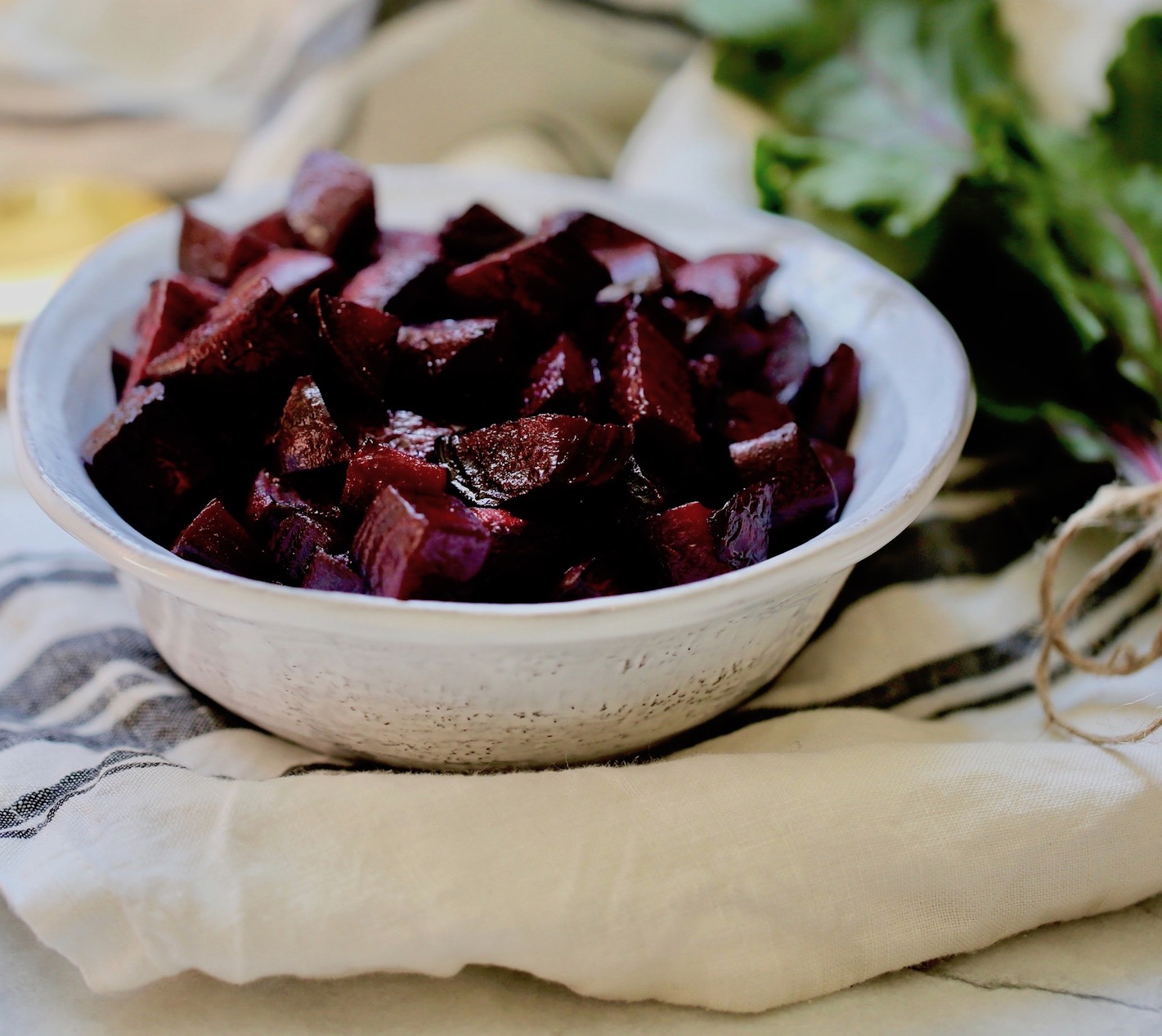





Beet Kvass for Kids with Cancer: A Powerful Fermented Healing Tonic
Let me start with a story that will make you feel much better about your own parenting moments.
A few years ago Josh was changing our daughter Selah’s diaper when I heard him yelling from the other room in a completely panicked voice. “SEASON! Come here! Hurry!”
I sprinted down the hall fully convinced something terrible had happened. What I found was Selah lying on the changing table, giggling and chewing on her toes without a care in the world, and my husband standing frozen, holding up a diaper filled with bright red contents, his face a perfect portrait of absolute terror.
I took one look, took a breath, and reminded him that Selah had eaten beets for lunch the day before.
The look of relief on his face was something I will never forget.
All of that to say, beet kvass is a regular part of our family’s diet. Yes, it will probably turn your child’s pee red and their poop a striking shade of purple. This is completely normal, harmless, and typically only lasts for one or two bathroom visits. And what this remarkable fermented tonic does for a healing body is worth every colorful surprise.
Why Beet Kvass for Kids with Cancer Belongs in Your Kitchen
Beet kvass is a fermented tonic with centuries of documented use across traditional cultures who understood intuitively what modern research is now confirming. It is a raw, naturally fermented beverage that delivers the powerful phytonutrients of beets alongside the immune-supportive, gut-healing benefits of fermentation in a form the body can absorb and utilize immediately.
For a child going through cancer treatment, this combination is deeply meaningful. Chemotherapy devastates the gut microbiome, depletes critical nutrients, burdens the liver, creates oxidative stress, and leaves the body with a significant toxic load to process. Beet kvass directly addresses every one of those consequences.
Here is what the research and centuries of traditional use tell us this tonic does for a healing body:
It cleanses and supports the liver, which is the primary detox organ and the one most burdened by chemotherapy metabolites. For a child whose liver enzymes are elevated from treatment, this matters enormously.
It promotes healthy cellular function and actively helps the body rid itself of heavy metals, toxins, and radiation exposure. Researchers have found that the specific phytonutrients in beets chelate the body, meaning they bind to heavy metals and toxins and help escort them out through the body’s elimination pathways.
It reduces inflammation throughout the body by dilating blood vessels, improving blood flow, lowering blood pressure, and protecting against oxidative stress. Systemic inflammation is the environment cancer thrives in. Reducing it consistently is one of the most important dietary strategies available to a cancer family.
It dramatically increases beneficial bacteria in the gut through the fermentation process. For a child whose microbiome has been wiped out by chemotherapy and antibiotics, every source of naturally occurring probiotics is a meaningful contribution to gut and immune rebuilding.
It supports the body’s own detoxification pathways and improves immune system function at a foundational level.
What the Research Says About Beets and Cancer
Beets contain betacyanin, the compound responsible for their deep red color, which has demonstrated significant antioxidant and anti-cancer properties in multiple studies. Betacyanin has been shown to inhibit the formation of cancer-causing compounds and to slow the growth of tumors in laboratory research.
Perhaps most compelling for cancer families is a University of Michigan study in which two groups of mice were given a lethal dose of chemotherapy. One group also received a specific nutrient found in beet kvass that triggers the body to produce probiotic flora. Seventy-five percent of the group that received both chemotherapy and the beet kvass nutrient survived. The group that received only chemotherapy did not fare nearly as well.
That is a remarkable finding. And it speaks directly to something I have always believed: that supporting the body’s own terrain alongside conventional treatment, rather than simply relying on the treatment alone, changes outcomes.
Beet kvass also supports the alkalizing of the blood, which is relevant because cancer thrives in an acidic environment. Supporting a more alkaline terrain through diet and fermented foods is a consistent thread through integrative oncology and beet kvass contributes to that effort meaningfully.
Stock vs. Beet Kvass: Understanding Fermented Tonics
Beet kvass belongs to the same category of traditionally fermented healing tonics as bone broth, kefir, and sauerkraut. These are foods that traditional cultures consumed daily not because they were trendy but because generations of observation confirmed that they kept people healthy and supported recovery from illness.
Kvass is traditionally made from sourdough bread, however it can be made from fruits and vegetables. Beet kvass specifically combines the therapeutic properties of beets with the immune-supportive and gut-healing benefits of fermentation. The result is what Nourishing Traditions describes as a blood tonic that promotes regularity, aids digestion, alkalizes the blood, cleanses the liver, and supports the treatment of kidney stones and other ailments.
One four-ounce glass in the morning and one in the evening is a simple, practical, and deeply effective daily protocol for a cancer family.
How to Make Beet Kvass at Home
This recipe comes from Nourishing Traditions by Sally Fallon, one of the most foundational books in our kitchen and a resource I recommend to every family I work with.
Equipment you will need:
- One half-gallon mason jar
- Fine strainer and cheesecloth to strain whey from yogurt if using
- Vegetable peeler
- Chef’s knife
- Clean cutting board
- Non-reactive spoon
Ingredients:
- 3 medium or 2 large organic beets, peeled and coarsely chopped
- 1/4 cup whey strained from raw whole milk yogurt (for a dairy-free version, omit the whey and increase sea salt to 4 teaspoons)
- 2 teaspoons Celtic Sea Salt or Redmond’s Real Salt
- Filtered or distilled water from your My Pure Water distiller to fill the jar
Instructions:
Step 1: Peel and coarsely chop your beets. Do not grate them. Grating releases too much juice too quickly, which promotes alcohol fermentation rather than the lactic acid fermentation you want.
Step 2: Place the chopped beets, whey, and sea salt into your half-gallon glass mason jar.
Step 3: Fill the jar with filtered water leaving approximately one inch of headspace at the top. Stir well.
Step 4: Cover securely and leave at room temperature for two days.
Step 5: After two days, transfer to the refrigerator. Begin drinking four ounces in the morning and four ounces in the evening.
Step 6: When most of the liquid has been consumed, fill the jar again with filtered water and allow it to ferment at room temperature for another two days. This second brew will be slightly milder than the first but still therapeutically valuable. After the second brew, discard the beets and begin again with fresh ones. You may reserve a small amount of liquid from the previous batch to use as your inoculant in place of whey for future batches.
Getting It Into a Child Who Resists It
Beet kvass has an earthy, slightly salty, very tangy flavor that some children take to immediately and others approach with deep suspicion. Here are practical ways to introduce it even to resistant children.
Start with a very small amount, even just one ounce, mixed into a small glass of fresh orange juice. The sweetness of the juice masks the earthiness of the kvass while still delivering the therapeutic compounds.
Add it to soups and stews as part of the liquid base. It blends beautifully into savory dishes and is completely undetectable in a flavorful soup.
Use it in place of vinegar in salad dressings. It adds a mild tang and a rich color that makes dressings look and taste more interesting.
Freeze it into small ice cubes and add one or two to a smoothie. The blending masks the flavor entirely while preserving the beneficial bacteria and phytonutrients.
Mix a small amount into bone broth for a powerfully therapeutic warm drink that delivers the benefits of both fermented foods and bone broth in a single cup.
For children who will drink it straight, serve it chilled in a small shot glass. Make it feel like a special daily ritual. Many children who participate in their own healing protocol with a sense of agency and ownership take their functional foods more willingly when presented with intention.
A Final Note on Sourcing Your Beets
Beets are on the Environmental Working Group’s list of produce that absorbs pesticides from the soil. Always use organic beets for this recipe. Conventionally grown beets introduce pesticide residues directly into a fermented tonic your child is drinking daily, which defeats the purpose.
The water quality you use also matters significantly. Chlorinated tap water can inhibit the beneficial fermentation process by killing the very organisms you are trying to cultivate. Always use filtered or distilled water for fermentation. Find our recommended home distiller at My Pure Water and use code SEASON for 5% off.
If you have tried beet kvass and noticed specific benefits for your child or your family, I would love to hear about it in the comments below. And if this is your first time hearing about it, I hope this is the beginning of a deeply nourishing daily practice in your healing kitchen.
This is not easy, and I know that. But you are here, you are learning, and you are choosing differently for your child every single day. That is everything.
For personalized support building a healing nutrition protocol for your child during cancer treatment, visit us at Biodynamic Wellness. You can also tune into the Thrive Through and Beyond Cancer podcast for practical conversations about nourishing a healing body through every phase of treatment and recovery.
Please Note: This post contains affiliate links. If you make a purchase using these links, there’s no additional charge to you, and I will receive a small commission from the company. This helps to cover the basic costs of this website and allows me to continue providing you with free content. Thanks so much for your support!
Leave a Reply
Whether you're looking for evidence-based guidance, real stories of hope, or personalized support, there are so many ways to connect. Explore the blog for nutrition and detox strategies, listen to the podcast for expert interviews and cancer thriver stories, browse the shop for trusted resources, or work directly with Season through Biodynamic Wellness for 1:1 or group support tailored to your family's journey.
Ready to Thrive?


Do you let the beets sit for 2 days and then refrigerate and then drink?
Yes, that’s correct.
If I am dairy free, I omit the whey and just add (4 tsp.)
salt? If i am understanding your directions correctly.
Correct! 🙂
Do you recommend anywhere to buy beets already fermented?
Hi Jill – You can find them in most health food stores…check the cooler section near the produce.
What are the benefits for young babies to drink this (since your story included your baby daughter drinking some)
It’s the same benefits as with everyone else…particularly in helping to support the liver and being able to detoxify. Hope this helps.
Season, what am I doing wrong?- my beets don’t turn into this nice dark purple color, I get light pink instead. This is my second time, and I cannot figured it out what’s wrong.
Hmmm…I’m not really sure. I’ve never had that problem. Maybe make sure you’re using organic beets and that it’s fermenting in a room temperature/warm place and not some place cold, but those are just thoughts to try. Hope that helps!
Could you used the leftover beets in a salad?
I don’t see why not. 🙂
Just to make sure I understand…after leaving it on the counter for 2 days, then it’s ready to drink and you keep it in the fridge?
Yes, that’s correct. It may take longer if the room is cold, but as a general guide, that’s correct. Thanks!
The link for whey isn’t working for me. Can you assist?
Thanks for letting me know. I replaced it. 🙂
The Equipment calls for a strainer & cheesecloth.
Unless I’m missing something, the Instructions, don’t say anything about when to strain. When would I strain?
You can strain it when you’re ready to put in the fridge. 🙂
It says not to grate the beets, so should they be cut in cubes? Or left whole? (I wouldn’t think Whole). Thanks
Cubes is great. 🙂
Hello! You recommended Celtic sea salt. However, a recent study showed that they are full of heavy metals. Same with Redmond sea salt. Do you have any other recommendations?