

Why Agave Syrup Is Not Healthy and What to Use Instead
Share Post
Filed in Food as Medicine & Healing Recipes
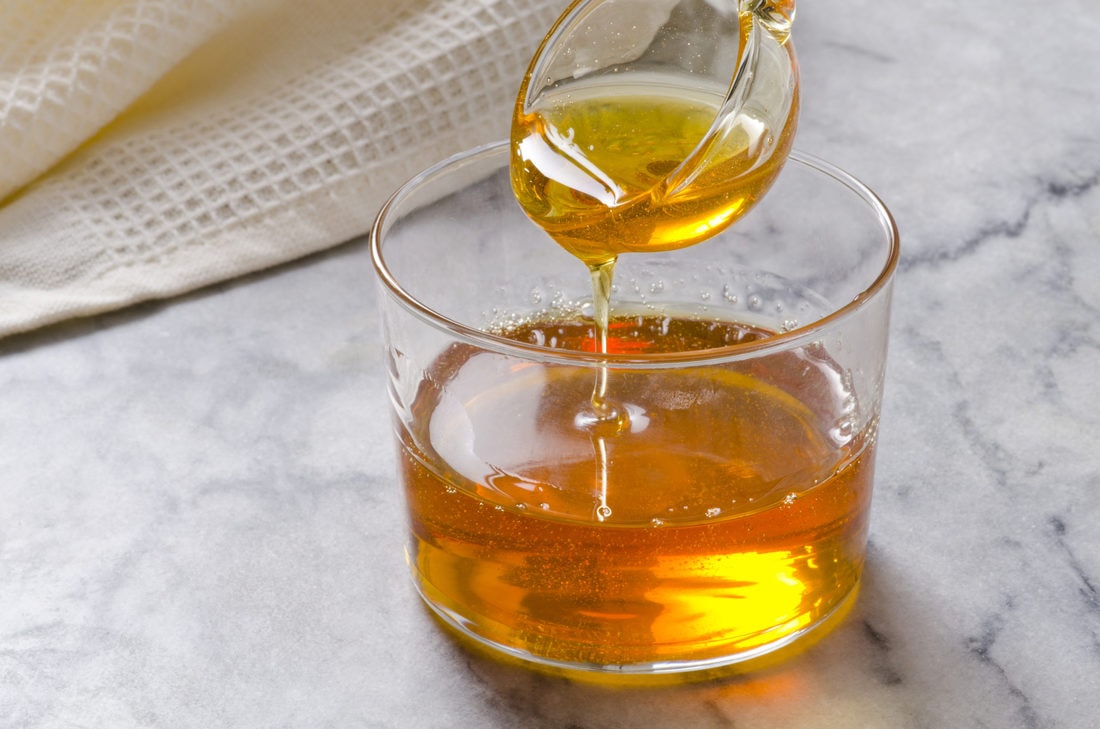





Why Agave Syrup Is Not Healthy & What to Use Instead
In 1821 the average person consumed approximately 10 pounds of sugar per year. By 2005 that number had climbed to 199 pounds annually.
Nearly 200 pounds of sugar per person per year. That number is not just staggering. For a family navigating childhood cancer it is genuinely alarming.
Why agave syrup is not healthy is a conversation I have with almost every cancer family I work with, because agave has been successfully marketed as a health food for decades and many well-meaning parents are giving it to their children believing they are making a better choice. They are not. And alongside the more widely understood dangers of high fructose corn syrup, agave represents one of the most deceptive sweetener traps in the natural health space.
Let me break all of this down clearly so you can make fully informed choices for your healing child.
Not All Sugar Is Equal and the Differences Matter Enormously
Before we talk about the toxic sweeteners, let me clarify something important. Not all sugar is inherently bad. The fructose naturally occurring in whole fruit, for example, comes packaged with fiber, vitamins, minerals, and phytonutrients that slow its absorption and mitigate its metabolic impact. That is completely different from what happens when fructose is extracted, concentrated, and processed into a sweetener.
The problem is not fructose existing in nature. The problem is what industrial food processing does to it. And two of the most egregious examples of that are high fructose corn syrup and agave syrup.
High Fructose Corn Syrup: What It Actually Is
High fructose corn syrup appears in over 80% of packaged foods on conventional grocery store shelves. It is cheaper than regular sugar, sweeter, and easy to transport in liquid form, which makes it enormously profitable for the food industry. None of those qualities have anything to do with your child’s health.
Here is how it is made. Genetically modified corn is first converted into corn starch. That corn starch then undergoes a highly refined industrial process involving vats of fermenting liquid, chemical manipulation, and fungal enzymes until it becomes a crystal-clear syrup containing approximately 55 to 65 percent fructose.
The result is a sweetener that the body processes in a fundamentally different and more damaging way than regular sugar. When fructose is unbound from glucose, as it is in high fructose corn syrup, only the liver can process it. Regular table sugar at least distributes the metabolic burden across multiple systems. High fructose corn syrup sends the entire load directly to the liver, triggering a fat production cascade that contributes to fatty liver disease, obesity, high cholesterol, heart disease, diabetes, and ultimately liver failure. Sugar is now the leading cause of liver failure in the United States.
For a child whose liver is already burdened by chemotherapy metabolites, adding high fructose corn syrup to their diet is not just unhelpful. It is actively working against their ability to heal.
And then there is the contamination issue. Research published in peer-reviewed journals has found that high fructose corn syrup contains mercury and other unregulated chemical contaminants. Mercury is a potent neurotoxin and heavy metal that the body has no beneficial use for and must work hard to eliminate. For a child in cancer treatment whose detox pathways are already overtaxed, this is an unacceptable additional burden.
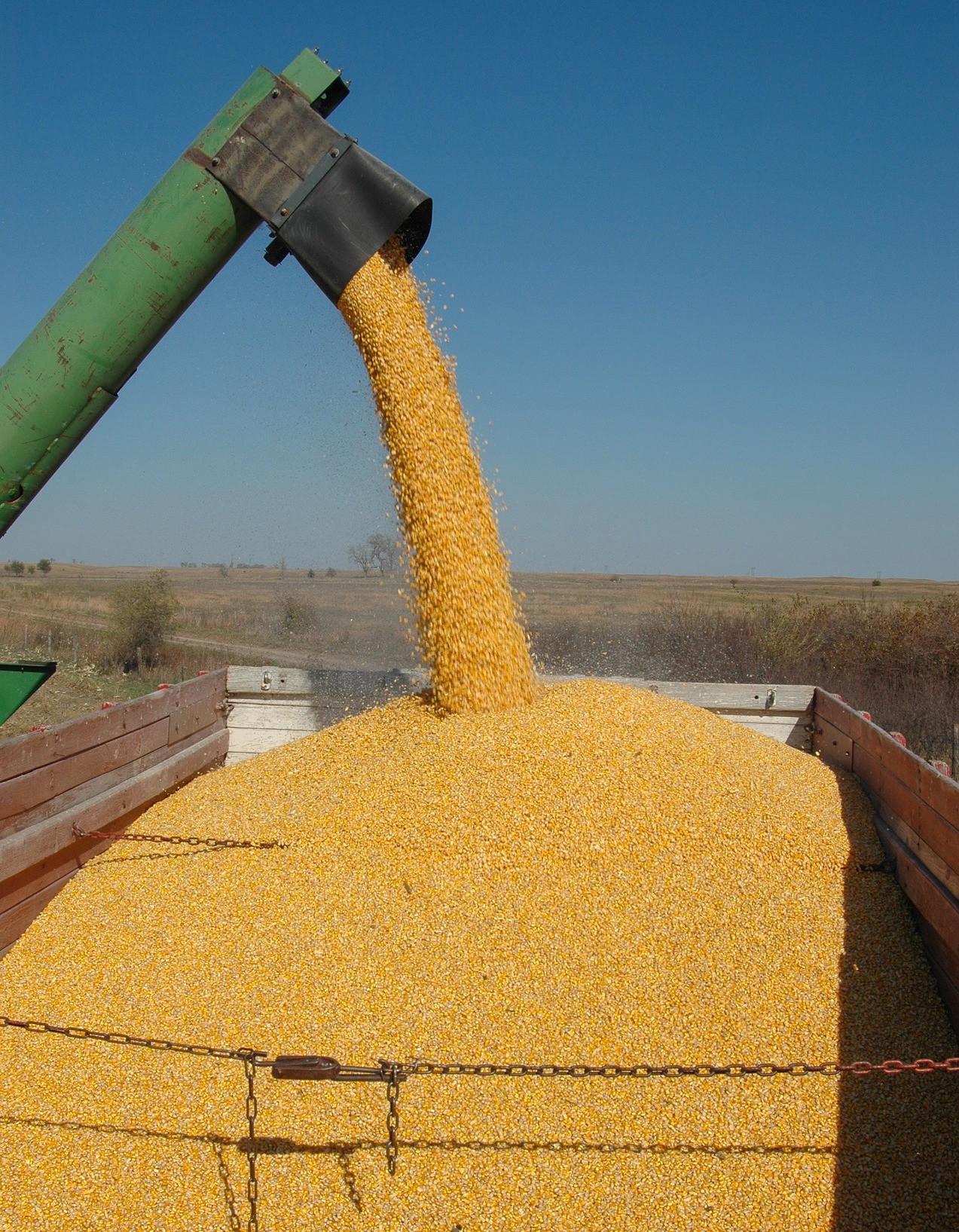
Where High Fructose Corn Syrup Hides
This is where many families are caught off guard. High fructose corn syrup is not just in obvious places like soda, candy, and desserts. It hides in foods that most people would never suspect.
Read every label and look for both high fructose corn syrup and its alternative label of corn sugar. Remove any product containing either from your healing kitchen immediately. Common hiding places include bacon, ketchup, pickles, salad dressings, crackers, fruit juice, bread, and canned foods. Yes, even the brands that appear health-adjacent on the outside.
Why Agave Syrup Is Not Healthy Despite What You Have Been Told
This is the section I most want cancer families to read carefully because the agave conversation is one of the most important and least understood in the natural health space.
Agave syrup has been marketed for years as a superior natural sweetener. It is lower on the glycemic index than table sugar, which sounds beneficial. It is derived from a plant, which sounds natural. Health food stores stock it prominently alongside genuinely clean sweeteners, which implies endorsement.
Every bit of that marketing is misleading.
Here is the truth. Agave syrup as it is commercially produced is not a traditional, minimally processed food. It is a highly refined industrial product. The agave plant does contain naturally occurring compounds that indigenous cultures have used for centuries, however commercial agave syrup bears almost no resemblance to those traditional preparations.
To produce commercial agave syrup, the agave plant is subjected to an intensive refining process involving high heat and chemical hydrolysis that destroys the beneficial compounds and concentrates the fructose content to an extraordinary degree. The result is a sweetener that contains between 70 and 97 percent fructose depending on the brand, significantly higher than high fructose corn syrup which contains 55 to 65 percent.
Let me say that again clearly. Agave syrup contains more concentrated fructose than high fructose corn syrup.
The Weston A. Price Foundation has published extensively on this topic and the conclusion is consistent and clear. Agave syrup is not better than sugar. In many measurable ways it is worse. The extraordinarily high fructose concentration means the liver bears an even greater metabolic burden processing agave than it does processing regular sugar or even high fructose corn syrup.
For a cancer child whose liver is working overtime processing chemotherapy drugs, the last sweetener you want to add to their diet is one that delivers the highest possible fructose concentration directly to that already burdened organ.
The low glycemic index of agave is technically accurate but deeply misleading in context. Yes, agave does not spike blood sugar the way glucose does. However, it does not spike blood sugar because fructose bypasses the blood sugar regulation system entirely and goes straight to the liver. That is not a health advantage. That is a different and in many ways more damaging metabolic pathway.
Additionally, commercial agave syrup often contains additives and processing agents that are not disclosed on the label. The Weston A. Price Foundation has documented concerns about the presence of saponins, which are compounds with hormone-disrupting properties, in some commercial agave products.
The bottom line for cancer families is straightforward. Agave syrup is not a safe alternative to refined sugar. It is not a health food. It does not belong in a healing kitchen and it does not belong in the diet of a child fighting cancer.
What to Use Instead
The good news is that genuinely clean, truly nourishing sweetener options exist and they are delicious. Here are the ones I use in our home and recommend to every family I work with.
Raw honey from Lineage is our top recommendation and the one that appears in almost every healing recipe we make. Raw honey is unprocessed, enzyme-rich, antimicrobial, and antioxidant-dense. It delivers natural sweetness alongside genuine nutritional value. Because it is sweeter than refined sugar, you need less of it in any recipe, which further reduces the glycemic impact. Always choose raw and unfiltered to preserve its beneficial properties.
Organic Grade B pure maple syrup is rich in zinc and manganese, both of which support immune function directly. It delivers natural sweetness with a modest mineral profile and a lower glycemic impact than refined sugar. Always choose organic and ensure it is pure maple syrup rather than maple-flavored syrup, which is simply high fructose corn syrup with artificial flavoring.
Coconut sugar retains some of the minerals from the coconut palm and has a lower glycemic index than refined white sugar. It is not our first choice for cancer families because it is still a concentrated sugar, however it is a significantly cleaner option than any refined sweetener.
Organic whole leaf stevia in its minimally processed form is a zero-glycemic option that does not feed cancer cells and does not spike blood sugar. Choose green whole leaf stevia or a minimally processed white stevia without added fillers or flavors. Avoid highly processed stevia products that contain erythritol or other sugar alcohols.
Rapadura is whole unrefined cane sugar that has not been separated from its molasses content. It retains the minerals naturally present in sugar cane and is far less processed than any conventional sugar. It is not sugar-free but it is a significantly cleaner alternative to refined white or brown sugar when you need a granulated option.
Hidden Names to Watch for on Labels
Food manufacturers are creative in obscuring the presence of harmful sweeteners on ingredient labels. When reading labels for your cancer kid, look for and avoid all of the following: high fructose corn syrup, corn sugar, corn syrup, corn syrup solids, fructose, crystalline fructose, agave, agave nectar, agave syrup, blue agave, and organic agave. The organic label on agave does not change its fructose concentration or its metabolic impact.
A useful rule of thumb is this. If you cannot picture the ingredient existing in nature in the form it is listed, it has likely been significantly refined and is probably not something your child’s healing body needs.
A Practical Starting Point
If this information feels overwhelming, start with one change this week. Go through your pantry and remove every product containing high fructose corn syrup or agave. Replace your sweetener of choice with raw honey from Lineageand use it in your baking, your smoothies, and your child’s food going forward.
That single swap, applied consistently, removes one of the most significant sources of liver burden, immune suppression, and cancer-feeding glucose from your child’s daily diet.
For more guidance on the top foods to remove and what to replace them with during cancer treatment, listen to the relevant episode on the Thrive Through and Beyond Cancer podcast. And visit us at Biodynamic Wellness for personalized support building a nutrition protocol that truly supports your child’s healing.
I would love to hear from you in the comments below. Which hidden source of high fructose corn syrup or agave surprised you the most when you started reading labels? Your answer might help another cancer parent who is just beginning to navigate this.
Friend, what you are doing matters. Every intentional choice you make for your child is worth it. Keep going.
Please Note: This post contains affiliate links. If you make a purchase using these links, there’s no additional charge to you, and I will receive a small commission from the company. This helps to cover the basic costs of this website and allows me to continue providing you with free content. Thanks so much for your support!
Leave a Reply
Next Post
Previous Post
Whether you're looking for evidence-based guidance, real stories of hope, or personalized support, there are so many ways to connect. Explore the blog for nutrition and detox strategies, listen to the podcast for expert interviews and cancer thriver stories, browse the shop for trusted resources, or work directly with Season through Biodynamic Wellness for 1:1 or group support tailored to your family's journey.
Ready to Thrive?


Great post Season! I was just wondering about this as I’ve been more concious of what’s in my food lately. Question for you…you recommend pure stevia & linked it to a liquid stevia. Are the powered like stevia the same as liquid or would you avoid those?
Hi Megan – You just want to make sure that it’s labeled Pure Organic Stevia. The liquid one is just one that I often use. 🙂 Thanks!
Agave surprised me. I haven’t heard of this before. Thanks for sharing. Thank goodness I don’t like this so I don’t use it. But it’s good to know.
So glad you find the info. helpful. 🙂
What do you think
About Monk fruit as a sweetener?
Hi Leah, Because of the way that most companies process Monk Fruit, it’s usually not a very clean option.
Thank you Season for article and suggestions. Actually none of them surprised me but I find it so hard to get off any of them and start a clean diet. I have put on weight since cancer and covid and dislike myself so much and my breathing is quite difficult.. Is there a good way to start cold turkey (vegan of course.) Love your newsletters. Maureen conceptsca@bell.net
Hi Maureen – I actually wrote a 3 part series on transitioning to a real food diet. Of course, you’re have to make adjustments based on what works for you, but it should help. Here’s the first part: https://seasonjohnson.com/steps-to-successfully-transition-to-a-whole-foods-diet-phase-1/
Nothing much surprises me anymore since I have been reading labels for awhile. What about xylitol? I figured out the sugar:hot flash ration years ago. There is a direct correlation between more sugar =more hot flashes!!
Hi Patti…no, I don’t recommend xylitol either.
I’m shocked about bacon!! Is all bacon bad?
If I consume high-fructose corn syrup, I have painful abdominal cramps and diarrhea for 3 days, until it is cleared out of my body. When this started happening years ago, my doctor prescribed antibiotics numerous times because he thought that I had diverticulitis. It took me a while to figure it out for myself.
Wow…so thankful that you figured it out!
Hi Season,
Thank you for all the helpful information, what about monk fruit? I noticed sometimes it comes mixed with xylitol as well..
Yes, it’s not ideal because of the way it’s processed.