

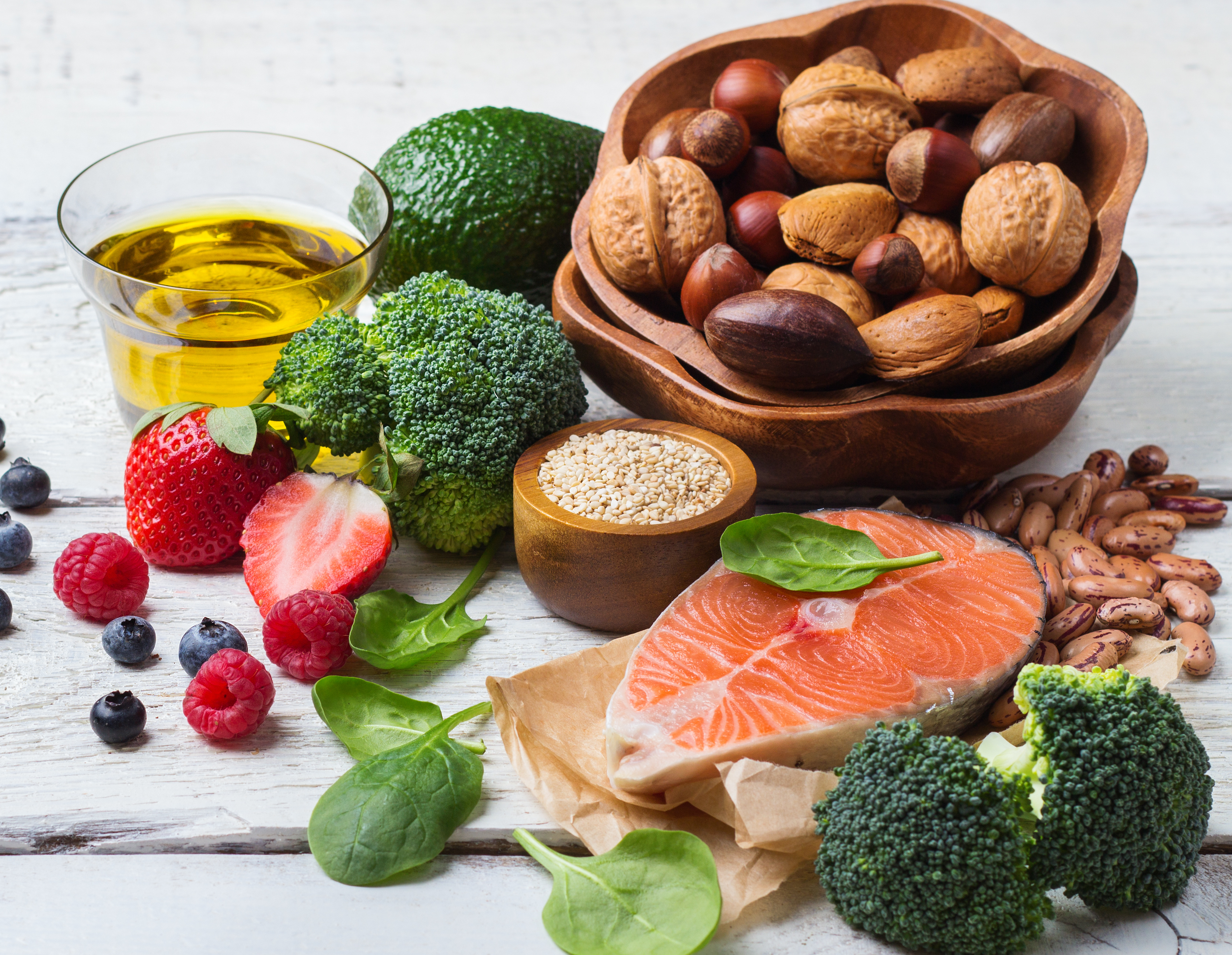





Foods That Fight Cancer for Kids: What We Fed Kicker Every Day
I want to share something our oncologist said to us just days after Kicker’s diagnosis. This is something I have shared before and I will keep sharing it because it represents one of the most important moments in our entire cancer journey.
I asked him what Kicker should and should not eat during his 3.5 years of treatment. He smirked and said this.
“Oh, don’t worry about that. A calorie is a calorie is a calorie. We just don’t want him to lose weight. Feed him whatever he feels like. If he wants French fries or a cupcake from the cafeteria, let him have it.”
I want to be clear that I am genuinely grateful for our conventional medical team. They played a crucial role in Kicker’s healing and I would never dismiss the life-saving work they do.
However, in that moment I understood something that changed the entire trajectory of how we approached Kicker’s treatment. The medical system is funded largely by the pharmaceutical industry. The educational emphasis is on treating disease with drugs. And while that approach can absolutely be helpful and even life-saving, it leaves an enormous and critical gap in understanding how to fuel the body with nutrients that actively fight cancer and avoid the ones that feed it.
That gap was mine to fill for my son. And I filled it every single day for 3.5 years.
What the Science Actually Says About Food and Cancer
Before I share the specific foods that fight cancer for kids, I want to give you the scientific framework that makes all of this make sense. Because this is not wellness opinion. This is documented biochemistry.
Did you know that a person can change their genetic expression through diet? The emerging science of epigenetics is proving that we have far more control over our health outcomes than we previously understood.
Everyone carries cancer-suppressing genes in their body. These genes actively stop cancer cells from progressing. However, certain dietary patterns can silence these genes while others can activate and reveal them. Specific foods, particularly onions, garlic, and cruciferous vegetables, provide the body with the compounds needed to activate cancer-suppressing gene expression and proactively fight cancer at a genetic level.
Rod Dashwood, Professor of Environmental and Molecular Toxicology and head of the Cancer Chemo Protection Program at Linus Pauling Institute, has stated that many diseases with aberrant gene expression at their root connect to how DNA gets packaged and the actions of specific enzymes. Dietary compounds directly influence those enzymes. What your child eats is not separate from their genetic cancer-fighting capacity. It is one of the primary drivers of it.
Two statistics frame the urgency of this conversation better than anything else I can say.
First, 40 percent or more of cancer patients die from malnutrition rather than from the cancer itself. Chemotherapy and radiation are cytotoxic. They destroy everything in their path without selectivity, including healthy tissue. Both induce lean tissue loss known as cachexia. However, research published in the journal Cancer and Metabolism in 2014 found that increasing dietary fat immediately improved the preservation of muscle mass in cancer patients. Nutrition is not supportive care. It is a clinical intervention.
Second, 80 percent of the immune system resides in the gut. The immune system is your child’s primary weapon against cancer.
What your child eats every single day directly determines how effectively that weapon functions. So let’s talk about 5 foods to incorporate into their diet daily!

1. Bone Broth
Because the majority of the immune system lives in the gut, protecting and rebuilding gut integrity is one of the most direct cancer-fighting dietary strategies available. Bone broth does this more effectively and more gently than almost any other food.
The gelatinous compounds drawn from bones during the long cooking process patch and rebuild the gut lining that chemotherapy damages. They deliver glycine and proline with powerful anti-inflammatory properties, arginine that supports both immune and liver function, and the raw materials the gut needs to maintain its integrity as the primary seat of immune defense.
We gave Kicker bone broth every single day throughout his treatment. We cooked his rice in it, made his soups with it, and served it warm in a mug as a daily ritual. Find our complete bone broth recipe and guide on the blog.
Source your bones from Wild Pastures grass-fed cattle or pasture-raised poultry for the cleanest and most nutrient-dense broth possible.
2. Dark Leafy Greens
Dark leafy greens are among the most powerful cancer-fighting foods available and one of the most underutilized in the standard diet of a child in treatment.
Greens including kale, spinach, collard greens, Swiss chard, mustard greens, and bok choy contain carotenoids, folate, chlorophyll, and fiber, specific nutrients documented to inhibit cancer cell growth. They are also a natural source of glucosinolates, compounds that help the body fight cancer by actively reprogramming cancer cell behavior. Research has additionally shown that dark leafy greens carry antibacterial and antiviral properties that support the immune system’s frontline defense.
For children who resist eating greens in their whole form, blend a large handful of organic baby spinach into a smoothie made with Lineage AB Complete protein, frozen mango, and coconut milk. The green flavor disappears completely and the cancer-fighting compounds remain fully intact.
Always choose organic for leafy greens. Conventionally grown greens are among the most pesticide-contaminated produce categories and adding pesticide residues to a child’s diet during cancer treatment directly undermines the therapeutic value of the food itself.
3. Omega-3 Rich Fats
Higher intake of omega-3 fatty acids has been associated with a 40 percent reduced risk of certain cancers in multiple published studies. For a child already fighting cancer, omega-3 fats provide a powerful and multi-faceted therapeutic benefit.
Most cancer cells use glucose as their primary fuel source. They cannot efficiently metabolize fat. This means that increasing healthy fat in the diet while reducing sugar and refined carbohydrates creates a metabolic environment that actively starves cancer cells while nourishing healthy ones. Research on ketogenic and low-carbohydrate dietary approaches in cancer consistently demonstrates that higher fat intake correlates with stable disease and in some cases partial remission.
Beyond their anti-cancer metabolic effect, omega-3 fats reduce systemic inflammation, support cellular membrane integrity, and provide the fat-soluble vitamin transport that every other nutrient in your child’s diet depends on.
Excellent sources of therapeutic omega-3 fats include wild-caught salmon, sardines, mackerel, and anchovies, organic coconut oil, flaxseeds, chia seeds, and pasture-raised eggs and butter. Source your animal products from Wild Pastures for the highest possible omega-3 content and the cleanest sourcing available.
Always pair fat with every meal and every vegetable serving. Fat-soluble vitamins A, D, E, and K cannot be absorbed without fat present. A drizzle of olive oil, a pat of grass-fed butter, or half an avocado alongside every meal is not optional. It is nutritionally essential for a cancer kid.
4. Organic Anti-Cancer Spices
Free radicals are cancer-causing atoms produced in enormous quantities during chemotherapy and radiation. Antioxidants neutralize free radicals on a one-to-one basis. This means that dramatically increasing your child’s antioxidant intake during treatment directly reduces the oxidative damage that both the cancer and the treatment are generating throughout the body.
Organic spices are among the most concentrated and bioavailable sources of antioxidants available in the food supply. The following deserve a place in your healing kitchen every single day.
Turmeric contains curcumin, one of the most extensively researched natural anti-cancer compounds available. Multiple published studies document curcumin’s ability to inhibit cancer cell proliferation, induce cancer cell apoptosis, and reduce treatment-related inflammation. Always pair turmeric with black pepper, which increases curcumin absorption by up to 2,000 percent, and with a fat source since curcumin is fat-soluble.
Ginger has documented anti-nausea properties that are directly relevant for children experiencing chemotherapy-related nausea. It also carries significant anti-inflammatory and antioxidant activity.
Rosemary contains rosmarinic acid and carnosol, compounds with documented anti-tumor properties in multiple cancer cell lines.
Garlic and onions provide the sulfur compounds and quercetin that activate cancer-suppressing gene expression as discussed in the epigenetics section above. Include them in cooking as frequently as possible.
Blend these spices into smoothies, soups, bone broth, and any savory dish your child eats. Most disappear completely into the flavor of the food while their therapeutic compounds work throughout the body.
5. Properly Prepared Organic Nuts and Seeds
Organic nuts and seeds provide a remarkable concentration of macronutrients and micronutrients including vitamins, minerals, complete proteins, healthy fats, flavonoids, and fiber that support immune function, cellular repair, and cancer-fighting gene expression.
However, and this is critical, nuts and seeds must be properly prepared before eating. Raw unsoaked nuts and seeds contain phytic acid, an anti-nutrient that binds to the very minerals you are trying to deliver to your child’s healing body and prevents their absorption. For a child in cancer treatment whose mineral reserves are already depleted by chemotherapy, this anti-nutrient effect is a meaningful and avoidable problem.
Soaking and dehydrating nuts neutralizes the phytic acid, activates beneficial enzymes, and makes the nutrients inside genuinely bioavailable. Find our complete guide on how to soak nuts for digestion on the blog. This single preparation step transforms nuts and seeds from a good snack into a genuinely therapeutic food for a cancer kid.
Excellent options include almonds, walnuts, macadamia nuts, pecans, pumpkin seeds, and sunflower seeds. All become more nourishing and digestively gentle after proper preparation.
The Research Worth Reading
For families who want to go deeper into the science behind nutrition and cancer, here are several studies worth exploring:
- Ketogenic Diets as an Adjuvant Cancer Therapy: History and Potential Mechanism — Allen, Bhatia, Anderson et al., published in Redox Biology. Concluded that the ketogenic diet is a safe and complementary treatment approach that exploits the metabolic differences between cancer cells and normal cells.
- Targeting Insulin Inhibition as a Metabolic Therapy in Advanced Cancer: A Pilot Safety and Feasibility Dietary Trial in 10 Patients — Fine, Segal-Isaacson, Feinman et al. Higher ketone levels correlated with stable disease or partial remission in the majority of participants.
- Biology of Glucose Metabolization in Cancer Cells — Published in the Journal of Oncological Sciences. Documents the mechanisms by which cancer cells depend on glucose metabolism in ways healthy cells do not.
- Fructose-1,6-Bisphosphate Couples Glycolytic Flux to Activation of Ras — Published in Nature Communications. Documents a specific pathway by which sugar metabolism drives cancer cell proliferation.
- Study Links High Sugar Intake to Increased Risk of Breast Cancer — Written by Honor Whiteman, Medical News Today, covering University of Texas MD Anderson Cancer Center research published in Cancer Research.
What This Looked Like in Our Daily Life
Every morning Kicker started his day with a nutrient-dense breakfast built on pasture-raised eggs, grass-fed butter, avocado, and organic vegetables. Every meal included a quality fat source and a serving of organic vegetables. We added turmeric, ginger, and garlic to everything we cooked. Regularly we gave him bone broth. Removing all refined sugar and conventional grains completely was important. We sourced every animal product from clean, grass-fed, pasture-raised sources.
Was it easy? Not always. Did it require planning, intention, and daily commitment? Absolutely. Was it worth it? Kicker vomited once in 3.5 years of chemotherapy. He barely lost his hair. He was never hospitalized for a secondary infection. His oncology team called his outcomes extraordinary.
The food was not a small part of that. It was foundational.
Where to Start
If you are feeling overwhelmed by all of this, start with one change today. Remove refined sugar from your child’s breakfast and replace it with eggs cooked in grass-fed butter and half an avocado. That single meal change, applied every morning consistently, begins shifting the metabolic environment your child’s body operates in.
Then add bone broth. Next increase the organic vegetables. Finally address the fats. Build from there one change at a time.
You are not alone. I am so proud of you for showing up for your child in this way.
For personalized nutrition support building a complete anti-cancer dietary protocol for your child, visit us at Biodynamic Wellness. And tune into the Thrive Through and Beyond Cancer podcast for in-depth conversations about the foods that fight cancer for kids and every other tool that goes into helping a cancer child truly thrive.
Please Note: This post contains affiliate links. If you make a purchase using these links, there’s no additional charge to you, and I will receive a small commission from the company. This helps to cover the basic costs of this website and allows me to continue providing you with free content. Thanks so much for your support!
Leave a Reply
Next Post
Previous Post
Whether you're looking for evidence-based guidance, real stories of hope, or personalized support, there are so many ways to connect. Explore the blog for nutrition and detox strategies, listen to the podcast for expert interviews and cancer thriver stories, browse the shop for trusted resources, or work directly with Season through Biodynamic Wellness for 1:1 or group support tailored to your family's journey.
Ready to Thrive?


I have been diagnosed with primary biliary colangitis, or liver cirrhosis. I’ve been told that I’m in end stage with a meld score of 9. Today I went through a liver biopsy to determine if I have auto immune Hep C. If this is found the doctor wants to put me on a steroid/med routine using prednisone, which I do not want to do. I wanted to ask if you would have any advice on treatment of cirrhosis of the liver and possibly the auto immune diagnosis. I have been interested in treating the cirrhosis with a holistic method since I’ve been diagnosed, but I am so uniformed of the treatments. Would there be any advice that you could give me?
Hi Cheryl – A couple of things…you could begin doing a castor oil pack over the liver and using essential oils (i.e. Zendocrine for detoxification support). Also, if you are looking for more individualized support, you could begin working with http://www.biodynamicwellness.com. Finally, I will be releasing a Thriving Through Cancer Course soon that will have loads of additional information and resources. Here’s the details for now: https://seasonjohnson.com/course/ Hope this helps. 🙂
During my very first chemo the hospital staff asked me if I’d like to see the nutritionist and talk with her about diet. I said of course! When I asked her what I could eat during treatment to help boost my body and fight the cancer she said “Eat whatever you want! Pizza, doughnuts, bagels-anything that sounds good.” I was majorly disappointed (and shocked), but it was a truly blessing in disguise as her “advice” and my diagnosis/treatment was the catalyst for me to learn and investigate my own cancer fighting diet. It is also what led me to the NTA where I studied to become an NTC! I found you just yesterday as I was listening to the Colorful Eats podcast, and I am SO HAPPY I did. You rock and your information is so empowering! Thank you for doing what you do. I have signed up to be notified when your online cancer course comes out-can’t wait!
Awe…thank you so much for your kind words and am so thankful that you chose to become empowered in your own journey to fight differently!! Gotta love the education from the NTA, right?! 🙂 I hope to get the course released very soon…I’m on the home stretch. 🙂 And I wish you the absolute best in your own health!
Are all cancers addressed in the same dietary way?
I have skin cancer.
Hi Julie – I’m so sorry to hear this! Everyone is biochemically individual and will have different needs. However, the things I’ve listed here are good foundational places to start. Hope that helps!
I’d like to be notified about the online cancer course
No problem! Just go to the “Programs” tab and you can find all of my courses and programs listed there. Thanks!
Would this work for breast cancer too?
After being diagnosed with breast cancer, my life felt like it was falling apart. Through the help and guidance of Dr. Kokobi, I found hope again. I followed the treatment plan he gave me, and today my health has greatly improved. I’m truly grateful to God for using him in my healing journey. I recommend him kokobiherbalremedycentre@gmail .com