

Whole Food Diet for Kids with Cancer: Where to Start (Part 1)
Share Post
Filed in Food as Medicine & Healing Recipes





Whole Food Diet for Kids with Cancer: Where to Start (Part 1 of 3)

If your child has just been diagnosed with cancer, or if you are deep in the middle of treatment and wondering whether food actually matters, I want to answer that question clearly and immediately.
Yes. A whole food diet for kids with cancer matters enormously. In fact, it is one of the most powerful tools you have access to right now. And the best part is that you do not have to overhaul everything overnight.
This is the first post in a three-part series designed specifically for pediatric cancer families who want to transition their household to a traditional whole foods diet but have no idea where to begin. I am going to give you a realistic, manageable roadmap that works whether you move through it over six weeks or six months. The timeline is yours to choose. What matters is that you start.
Here is what I need you to understand before we dive in. This transition is not an event. It is a lifestyle process. The goal is not perfection on day one. The goal is to gradually replace the foods that are burdening your child’s body with foods that are actively supporting their healing. Every single swap you make compounds over time into something profoundly meaningful.
The benefits of a traditional whole foods diet are not disputed by informed science. While health trends come and go, traditional whole foods have stood the test of time across every culture and every generation that has prioritized them. They are what the human body was designed to thrive on. And for a child whose body is under the extraordinary stress of cancer treatment, giving them food as close to its natural form as possible is one of the deepest acts of love and advocacy you can offer.
What You Will Learn Through This Process
As you move through this three-part series, here is what begins to shift for most families:
You start to think of food differently. Life-giving food becomes anything unadulterated by commercial processing, as close to its natural form as nature provides. Dead food becomes anything stripped of its nutrients, chemically altered, or artificially preserved.
You become a label reader. And what you find on those labels will motivate you more than any wellness post ever could.
You develop a heightened awareness of how food affects your child’s energy, mood, digestion, and immune response. This awareness becomes one of your most powerful clinical tools.
And perhaps most importantly, you discover that eating this way is not as complicated or expensive as you feared. It just requires intention, and you already have that in abundance. You are here, reading this, fighting for your child. That is intention.
So let us get started.

Part 1 Focus: Fats and Foundations
The first area we tackle is fats. I know that might surprise you. Most people expect me to start with sugar or vegetables. However, fats are the foundation of everything else, and getting this right first makes every subsequent change easier and more effective.
Here is why fats matter so deeply for kids with cancer. Every single cell in your child’s body is surrounded by a membrane made of fat. That membrane is what protects the cell from invaders, regulates what goes in and what comes out, and maintains the integrity of the cell itself. Chemotherapy damages cell membranes. Inflammatory fats weaken them further. Healthy fats rebuild and protect them.
Additionally, the brain is composed of approximately 75% fat. For children experiencing cognitive effects from chemotherapy, sometimes called chemo brain, ensuring an adequate supply of quality fat is directly supportive of brain health and function.
Fat is not the enemy. The wrong kinds of fat are.
Step 1: Eliminate Unhealthy Fats Immediately
This is the single most impactful first step you can take for a child with cancer.
Hydrogenated and partially hydrogenated oils are found in most processed foods including breads, crackers, boxed cereals, refined vegetable oils, and commercial salad dressings. These fats are industrially altered in ways that make them deeply inflammatory and toxic to cellular function. For a child whose cells are already under attack, these fats add insult to injury.
Start reading labels this week. If you see the words hydrogenated, partially hydrogenated, canola oil, vegetable oil, or soybean oil, put it back on the shelf. These have no place in a healing kitchen.
For families with infants who are unable to breastfeed, commercial baby formulas present a similar concern. Breast milk contains over 50% of its calories from fat, much of it saturated, and delivers cholesterol that is essential for proper brain development in infants and young children. Commercial milk-based formulas are low in saturated fat due to chemical processing, and soy-based formulas are devoid of cholesterol entirely. If breastfeeding is not possible, work with a qualified practitioner about a homemade raw milk formula option.
Step 2: Stock Your Kitchen with Healing Fats
Now that you know what to remove, here is what to replace it with.
Purchase real butter that is raw or cultured and organic. Buy oils that are expeller-pressed, solvent-free, and packaged in dark glass containers to protect them from heat and oxidation damage.
Coconut oil and animal fats like tallow and ghee contain antimicrobial factors not found in vegetable oils. This makes them especially valuable for children dealing with gut dysbiosis, candida overgrowth, or yeast issues that are extremely common during and after chemotherapy.
Here is a simple cooking guide to keep on your refrigerator:
For baking, use organic butter or unrefined coconut oil. For stir-frying, sauteing, or higher heat cooking, use ghee, tallow, or unrefined coconut oil. These fats are stable at high temperatures and do not oxidize the way vegetable oils do. For moderate temperatures, use olive oil. For cold preparations like salad dressings, use olive oil and keep it refrigerated. Never heat olive oil to high temperatures. For spreading on vegetables, bread, or grains, use butter or olive oil.
This one shift in how you cook eliminates a significant source of daily inflammation from your child’s diet and replaces it with fats that actively support cellular health and immune function.
Step 3: Make Your Own Salad Dressings
Commercial salad dressings are one of the most common hidden sources of inflammatory oils, refined sugar, artificial flavors, and preservatives. Making your own takes less than five minutes and puts you in complete control of every ingredient.
A simple base of olive oil, raw apple cider vinegar or lemon juice, crushed fresh garlic, dijon mustard, raw honey, and sea salt covers most occasions beautifully. Our homemade ranch dressing is one of our most loved recipes in the Biodynamic Wellness community and takes minutes to prepare. Find the recipe here.
Step 4: Replace Table Salt with Real Salt
This is a small swap with a surprisingly meaningful impact. Standard table salt is heavily processed, stripped of its natural mineral content, and often contains additives like anti-caking agents and even dextrose.
Real salt is a completely different food. Celtic Sea Salt, Redmond’s Real Salt, and Hawaiian Red Salt all retain their full mineral profiles. Celtic Sea Salt for example contains 84% sodium chloride with the remaining 16% composed of minerals including calcium, magnesium, potassium, sulfur, and nearly 80 trace minerals. For a child whose mineral reserves are being depleted by chemotherapy, these trace minerals matter.
Make this swap today. It costs the same as conventional salt and the upgrade is immediate.
Step 5: Go Organic with Fruits and Vegetables
Conventionally grown produce is sprayed with pesticides, herbicides, and fungicides that add toxic burden to an already stressed body. For a child in cancer treatment whose liver is working overtime processing chemotherapy metabolites, adding agricultural chemicals on top of that is counterproductive to everything you are trying to accomplish.
Prioritize organic for everything on the Environmental Working Group’s Dirty Dozen list. If budget is a concern, the Clean Fifteen list identifies the conventionally grown produce with the lowest pesticide residue, which can help you make strategic choices at the grocery store.
When you bring produce home, wash it in a basin of water with either one quarter cup of apple cider vinegar, five to six drops of grapefruit seed extract, or five to six drops of lemon essential oil. This removes surface residues and reduces microbial contamination, which is especially important for immunocompromised children.
Always pair vegetables with a healthy fat. Fat-soluble vitamins like A, D, E, and K cannot be absorbed without fat present. A drizzle of olive oil, a pat of butter, or a spoonful of avocado alongside your child’s vegetables is not indulgent. It is nutritionally essential.
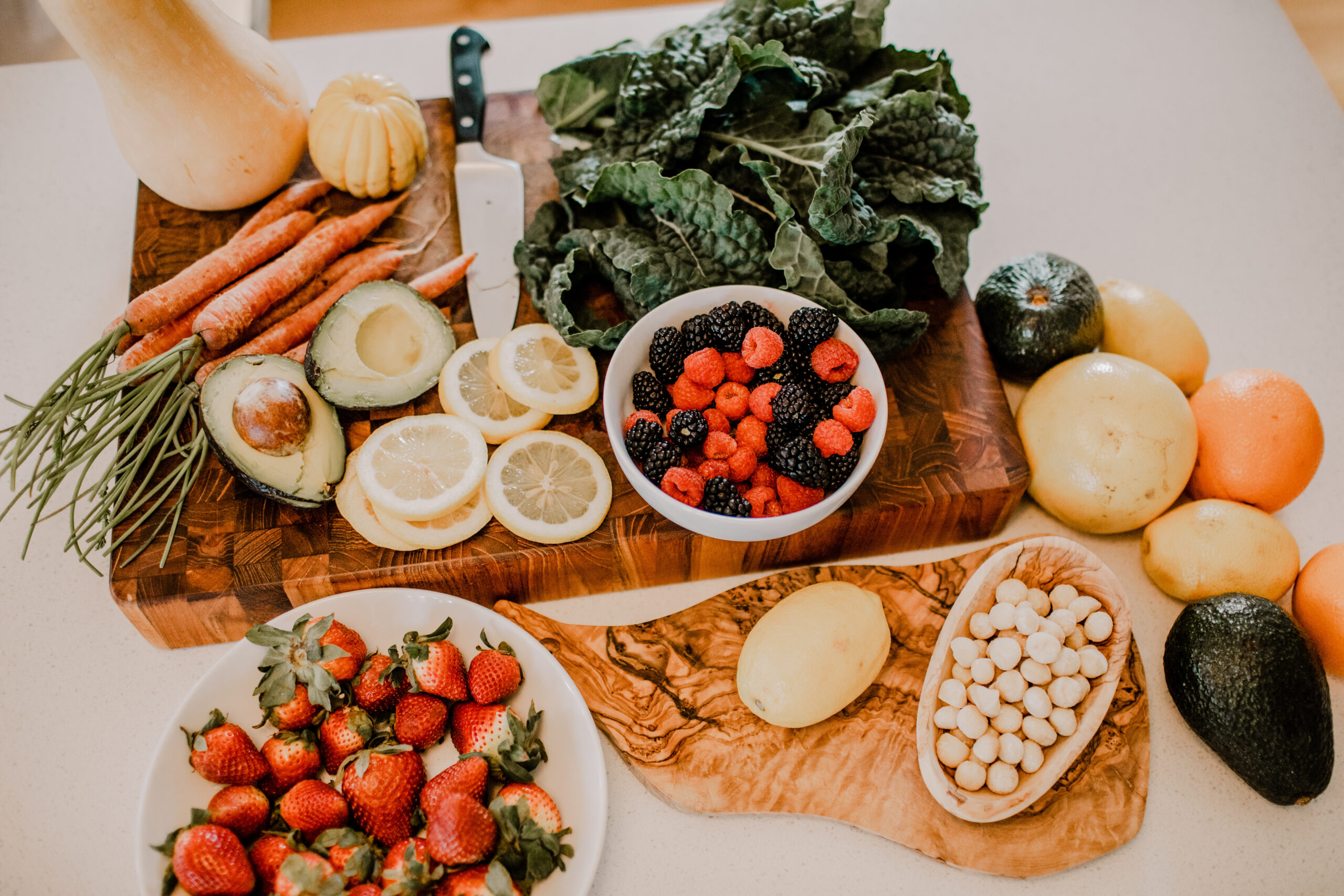
Experiment with nutrient-dense leafy greens like collard greens, kale, mustard greens, chard, and bok choy. These are among the most mineral-rich foods available and deeply supportive of immune function and detoxification.
Step 6: Swap to Properly Prepared Nuts and Seeds
Raw nuts and seeds are an excellent source of healthy fat, protein, and minerals for a healing body. However, and this is important, they must be properly prepared before eating.
Raw, unsoaked nuts and seeds contain phytic acid, an anti-nutrient that binds to minerals in the digestive tract and prevents absorption. For a child already depleted by cancer treatment, losing zinc, magnesium, and iron to anti-nutrient binding is a real and significant concern.
Soaking and dehydrating nuts neutralizes the phytic acid, activates beneficial enzymes, and makes the nutrients inside genuinely bioavailable. We have a full guide on how to soak and dehydrate nuts properly on the blog, and I strongly encourage you to read it before adding nuts and seeds to your child’s daily diet.
Good options include almonds, pecans, macadamia nuts, walnuts, pumpkin seeds, and sunflower seeds. All of them become far more nourishing and digestively gentle after proper preparation.
You Have Already Started
Reading this post is the first step. Implementing one thing from it this week is the second.
You do not have to do all of this at once. Start with the fat swap. Read labels this week and remove hydrogenated oils from your kitchen. Replace your table salt. Order from Wild Pastures for clean, grass-fed meat delivered to your door. These are small actions with compounding results. Using that link to order saves you 20% on subscription boxes for LIFE and free shipping!
In Part 2 of this series, we are diving into two of the most important and most misunderstood areas of a healing diet: sugar and dairy. You will learn exactly why refined sugar is one of the most dangerous things a child with cancer can consume, which clean sweeteners are safe and even beneficial, and how to navigate dairy in a way that nourishes rather than inflames. It is a game changer for most families and you can find it here!
You are building something here. One meal at a time, one swap at a time, you are creating a healing kitchen for your child. That is one of the most powerful things a cancer parent can do.
If you want personalized support building a nutrition protocol for your child, visit us at Biodynamic Wellness. And tune into the Thrive Through and Beyond Cancer podcast for practical guidance on nourishing a healing body through every phase of treatment and recovery.
Leave a comment below and let us know where you are starting. Your journey could be the encouragement another cancer family needs today.
Please Note: This post contains affiliate links. If you make a purchase using these links, there’s no additional charge to you, and I will receive a small commission from the company. This helps to cover the basic costs of this website and allows me to continue providing you with free content. Thanks so much for your support!
Leave a Reply
Whether you're looking for evidence-based guidance, real stories of hope, or personalized support, there are so many ways to connect. Explore the blog for nutrition and detox strategies, listen to the podcast for expert interviews and cancer thriver stories, browse the shop for trusted resources, or work directly with Season through Biodynamic Wellness for 1:1 or group support tailored to your family's journey.
Ready to Thrive?


Thank you for doing this. Posting for all my pediatric cancer and non cancer families in my practice. Great to have it in a guide 🙂
You’re so welcome and am glad you find it helpful!
What about for those with celiac? Any thoughts on the grains with that or do we just avoid? Also what’s your go to instead of antibiotics for cough and mucus etc? I have a chronic cough with mucus it’s so annoying I’m sure if I changed something in my diet it would fix it or maybe allergies?! Thank you yiur such a blessing
My kids love to grab a bowl of cereal in the mornings or snack time. Do you have any recommendations for kid-approved cereals?
Also, do you have an approved brownie recipe? The box brownies are not good and require vegetable oil.
Thanks!
Have you tried my granola recipe? My kids love that for cereal: https://seasonjohnson.com/grain-free-granola/ And for brownies, check out Deliciously Organic’s website…she had a couple that are delicious. I also love Simple Mills’s brownie mix, and you can use coconut oil or butter in it.