

Whole Food Diet for Kids with Cancer: Sugar and Dairy (Part 2)
Share Post
Filed in Food as Medicine & Healing Recipes





Whole Food Diet for Kids with Cancer: Sugar and Dairy (Part 2 of 3)
Welcome back to this series on transitioning your family to a whole food diet for kids with cancer and every healing body in your household.
If you missed Part 1, where we covered fats, salt, organic produce, and properly prepared nuts and seeds, you can read it here. Every step in this series builds on the last, so I encourage you to start there if you have not already.
Before we dive into the next two steps, I want to check in with you. How is the transition going? What has been hard? Has anything surprised you? Is your child responding better than expected? Please share in the comments below because your experience is not just meaningful to me. It could be exactly the encouragement another cancer family needs to keep going.
And remember, this is a process, not an event. You are not trying to transform everything in a single week. You are building a healing lifestyle one intentional swap at a time. That compounding effect is where the real power lives.
Now let us move into the next two critical areas: sugar and dairy.
Why Sugar and Dairy Are Non-Negotiable for Kids with Cancer
These two categories sit at the center of almost every inflammatory process in the body. For a child going through cancer treatment, understanding the role of sugar and dairy in either fueling or fighting disease is not optional knowledge. It is essential.
Sugar feeds cancer. This is not a wellness blog talking point. It is established biochemistry. Cancer cells consume glucose at a rate dramatically higher than healthy cells, a phenomenon known as the Warburg Effect. Every time your child consumes refined sugar, they are quite literally providing preferred fuel to cancer cells while simultaneously suppressing the immune response that is trying to fight those cells. Studies show that a single serving of refined sugar can impair white blood cell function for up to 24 hours. For a child whose white blood cell counts are already compromised by chemotherapy, that is a significant and measurable setback.
Dairy in its conventional, pasteurized, low-fat form is equally problematic. Pasteurization destroys the beneficial enzymes, probiotics, and fat-soluble vitamins that make dairy genuinely nourishing. What remains is a food that is difficult to digest, inflammatory for many children, and stripped of the very components that would otherwise make it supportive of healing.
The good news is that clean alternatives exist for both, and once you make these swaps, most families notice a meaningful difference in their child’s energy, digestion, and overall wellbeing within weeks.
Step 1: Eliminate Processed Sugar Completely
This is one of the most impactful steps you can take for a child with cancer. I say that knowing it is also one of the hardest, because refined sugar is hidden in virtually everything on the conventional grocery store shelf.
Remove all of the following from your kitchen immediately: refined white sugar, brown sugar, turbinado sugar, corn syrup, high fructose corn syrup, fructose, and concentrated fruit juice. These are chemically processed substances that drive inflammation, feed cancer cells, suppress immune function, and damage the gut lining that is already compromised by chemotherapy.
Read every label. Sugar hides under dozens of names including dextrose, maltose, sucrose, evaporated cane juice, rice syrup, and cane crystals. If you cannot pronounce it or it ends in -ose, question it.
Step 2: Replace with Clean Natural Sweeteners
Removing sugar does not mean removing sweetness from your child’s life. It means replacing processed sugar with forms that the body can actually recognize and use without triggering an inflammatory cascade.
Here are the sweeteners I trust and use in our home:
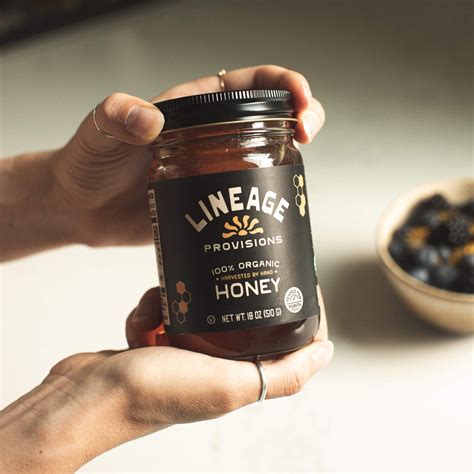
Raw honey is one of the most medicinal sweeteners available. It contains enzymes, antioxidants, antimicrobial compounds, and trace minerals. Use it in baking, stirred into warm drinks, or drizzled over food. Always choose raw and unfiltered to preserve its beneficial properties. This is our favorite, clean brand of honey! Use code Season for 15% off!
Organic Grade B maple syrup is rich in minerals including zinc and manganese, both of which support immune function. Choose organic and non-formaldehyde processed.
Organic stevia in its whole leaf or minimally processed form is a zero-glycemic option that does not spike blood sugar and does not feed cancer cells.
Sucanat, date sugar, blackstrap molasses, and naturally sweetened jams from brands like Bionaturae are all acceptable options used in moderation.
When baking, gradually reduce the amount of sweetener in any recipe. If a recipe calls for one cup of sugar, start with three quarters of a cup of sucanat or maple syrup instead. Your family’s palate will adjust over time and sweetness preferences will shift naturally.
Step 3: Replace Pasteurized Fruit Juice
Bottled fruit juices, even the ones labeled organic and natural, are essentially liquid sugar. The fiber that would otherwise slow glucose absorption has been removed, leaving a high-sugar beverage that spikes blood sugar rapidly and feeds the exact metabolic environment that cancer thrives in.
Remove pasteurized bottled juices from your refrigerator and replace them with filtered water flavored naturally. Fresh squeezed lemon, lime, or orange adds flavor and vitamin C without the sugar spike. A drop of certified pure lemon or grapefruit essential oil in a glass of water is another excellent option.
If your child is accustomed to juice and the transition feels too abrupt, dilute it progressively with water over several weeks until you have weaned them off it entirely. Start with half juice and half water and adjust from there. This is a practical and gentle approach that works well for most children.
Whole fresh fruit is always a better option than juice. Pair it with a healthy fat or protein source to slow sugar absorption. Apples or bananas with almond butter or macadamia butter are a family favorite in our house and provide a satisfying snack that supports stable blood sugar rather than spiking it.
Step 4: Address Dairy the Right Way
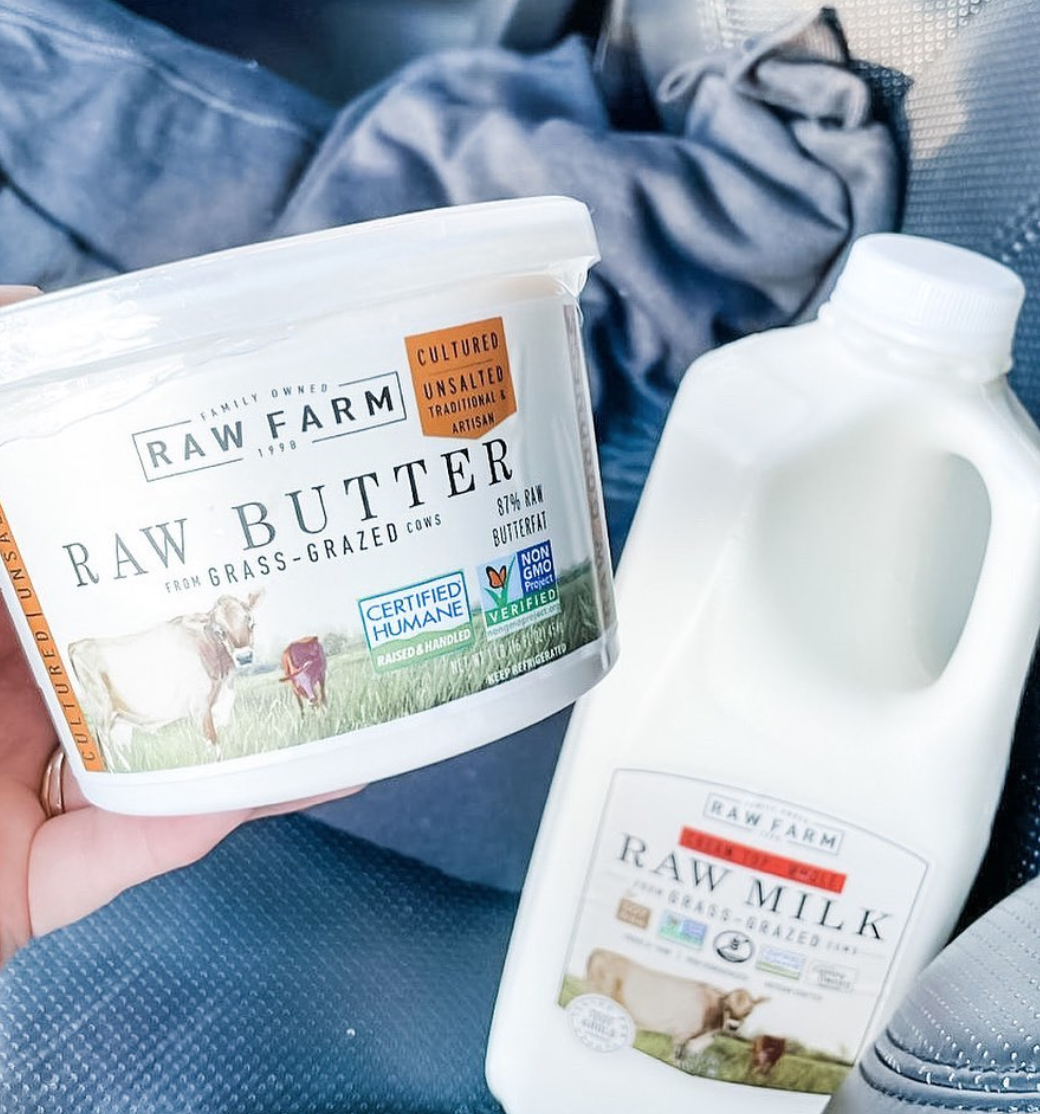
Conventional pasteurized, fat-reduced dairy is one of the most inflammatory foods in the standard American diet and one of the first things I ask families to remove when a child is diagnosed with cancer. If raw milk is a new concept for you and you are wondering if it is safe, read this post here!
Pasteurization kills the beneficial bacteria, destroys the enzymes needed to properly digest lactose and casein, and eliminates the fat-soluble vitamins that make dairy nutritious. Low-fat and non-fat versions compound these problems by removing the very fat that allows the remaining nutrients to be absorbed.
Remove all pasteurized, fat-reduced dairy from your kitchen. This includes conventional milk, low-fat cheese, pasteurized yogurt with added sugar, and processed cheese products.
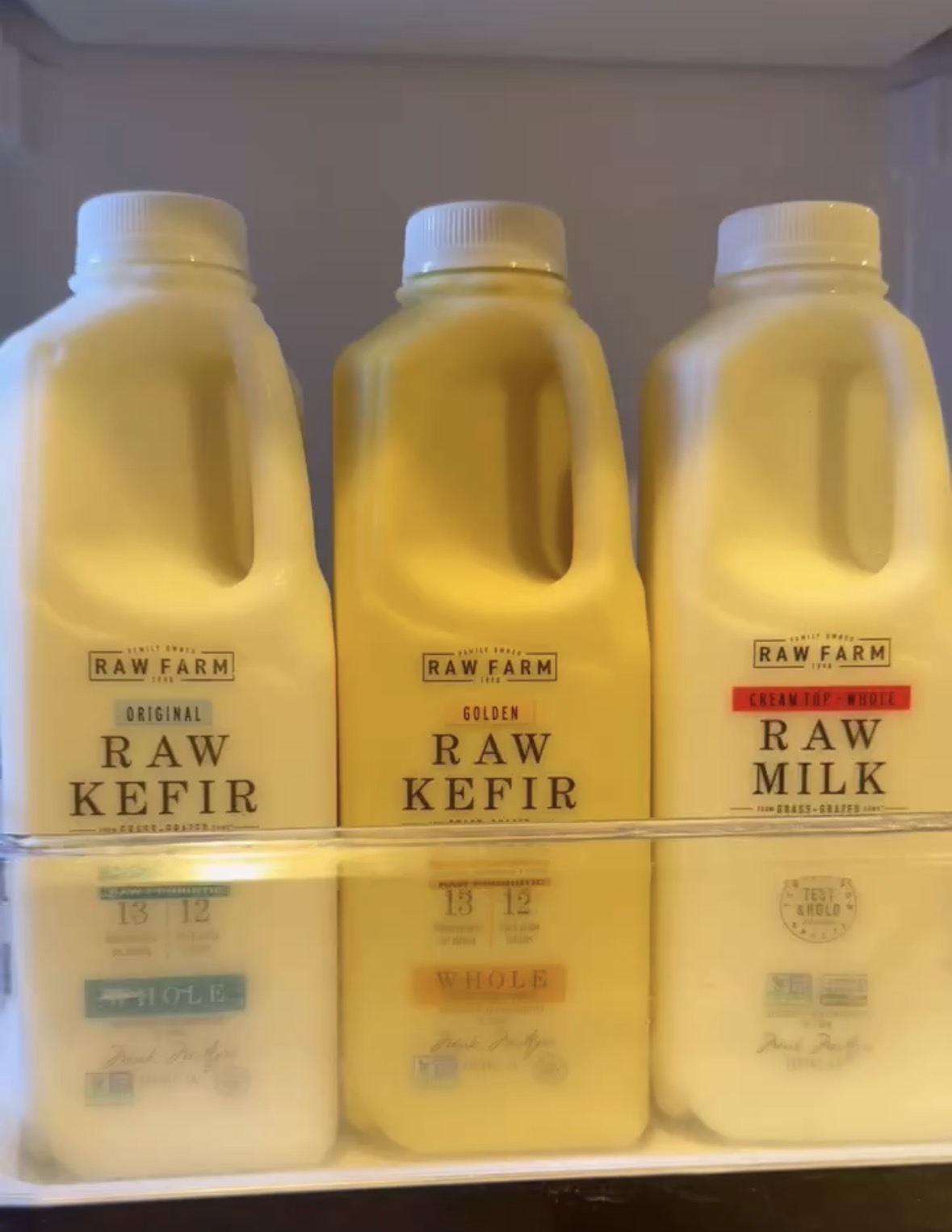
If your child tolerates dairy, replace it with organic raw whole-fat dairy from grass-fed or pasture-raised animals. Raw dairy retains all of its beneficial enzymes, probiotics, and fat-soluble vitamins. Many children who struggle with conventional dairy tolerate raw dairy beautifully because the enzymes needed for digestion are still intact.
An important note for families navigating active illness or treatment: all dairy and grains are best avoided during times of acute illness or immune suppression. The digestive burden they create is not worth it when the body is already working at maximum capacity.
If your child cannot tolerate any form of dairy, introduce freshly made coconut milk as a replacement. Our homemade coconut milk recipe is one of the most popular resources on our site and takes less than five minutes to make. It is rich, creamy, and genuinely nourishing in a way that no carton of almond milk can match. Find the recipe here.
Step 5: Eliminate MSG in All Its Forms
This step falls within the dairy transition week because MSG and its chemical relatives are often hidden in dairy-adjacent processed foods including flavored cheeses, seasoning blends, and processed snacks.
Monosodium glutamate and its many disguised forms are neurotoxins that have no place in a healing child’s diet. Look for and eliminate all of the following from your labels: hydrolyzed protein, calcium caseinate, sodium caseinate, textured protein, and any ingredient listed simply as seasonings, flavorings, or natural flavorings. These are the most common hiding places for MSG in processed food.
The rule is simple. If the label lists a vague flavoring you cannot identify as a real food, do not buy it.
Start With Breakfast
The most practical place to begin implementing these changes is your child’s first meal of the day. Breakfast sets the metabolic tone for everything that follows.
For your morning beverage, replace processed coffee creamer and refined sweeteners with raw cream, raw honey, or pure maple syrup. These small swaps eliminate a daily source of processed sugar and inflammatory fat without requiring any recipe or extra effort.
For the meal itself, remove all forms of refined sugar and processed grain from breakfast. Our family’s favorite is pasture-raised eggs cooked in grass-fed butter with sliced avocado and microgreens alongside. It takes ten minutes, requires almost no thought, and delivers quality fat, complete protein, fat-soluble vitamins, and minerals in a form a healing body can actually use.
Simple. Nourishing. Repeatable. That is the goal.
You Are Doing Something Remarkable
Two phases in and you are building something that will serve your child’s healing long after treatment ends. Every processed sweetener you remove, every glass of juice you replace with clean water, every slice of raw cheese you choose over pasteurized, processed dairy is an intentional act of love for your child’s body.
Be patient with yourself and with the other members of your family who may be slower to embrace these changes. Stay the course. The advantages compound in ways that will become unmistakably clear over time.
Part 3 is next, and it covers the final steps of this transition including proteins, fermented foods, and how to bring everything together into a sustainable healing lifestyle for your whole family.
Share your wins and your struggles in the comments below. This community shows up for each other and your progress matters here.
For personalized support building a nutrition protocol for your child during cancer treatment, visit us at Biodynamic Wellness. And tune into the Thrive Through and Beyond Cancer podcast for practical episodes on everything covered in this series and so much more.
Please Note: This post contains affiliate links. If you make a purchase using these links, there’s no additional charge to you, and I will receive a small commission from the company. This helps to cover the basic costs of this website and allows me to continue providing you with free content. Thanks so much for your support!
Leave a Reply
Whether you're looking for evidence-based guidance, real stories of hope, or personalized support, there are so many ways to connect. Explore the blog for nutrition and detox strategies, listen to the podcast for expert interviews and cancer thriver stories, browse the shop for trusted resources, or work directly with Season through Biodynamic Wellness for 1:1 or group support tailored to your family's journey.
Ready to Thrive?


Hi Season!
My husband and I are making these lifestyle changes and we are feeling great! First thing I noticed off the bat, was less joint pain and better sleep! We have been so encouraged by our increased energy and productivity in our daily life. As we transitioned and dove deeper into whole food eating, I was astounded by the change in frequency (sorry in advance) of food elimination. I’m serious when I say some days there was absolutely no activity going down, if you know what I mean. ?
I haven’t weighed myself, but I know I have lost inches by how my clothes fit! I’m going to wait for the next doctor check up for the weigh in. I don’t want to focus on the scale as much as I want to eat with intension for my health. After all, it took me decades to get to my heaviest weight so I know the progress to lose it will be slow but forthcoming! Thank you for sharing so much with all of us and being a beacon of light to people like me that have spent way too many years trying to find the true key to a healthy body!
Wow! Congratulations on your hard work, and I LOVE reading all of the amazing things you’re experiencing! I’m also so thankful to hear of your great perspective about weight. Keep up the amazing work and thanks for the kind comments and for sharing. 🙂
Season,
Please tell me how to incorporate this healthy diet into my life without eggs. I am allergic to eggs, (yes, I’ve been tested), and every diet I see so many of the recipes and the breakfast choices include eggs. I’m not in good health now and don’t even have much energy to cook. I need simple.
Thanks for your articles. I really appreciate reading them
Hi Barbara – I’m not exactly sure how to respond except to just leave out the eggs. There are still loads of amazing proteins, vegetables, fruits, healthy fat options, etc. to choose from. I know that this may limit your options for baked goods, but even with that, do a little research and you can find usually find egg replacement options that usually work in baking. And if this all feels overwhelming, maybe try finding 1-2 new recipes online a week that fit your needs to try…before long, you’ll have a whole new selection of options that you’ll love and things won’t feel so limiting. 🙂 I hope that helps!